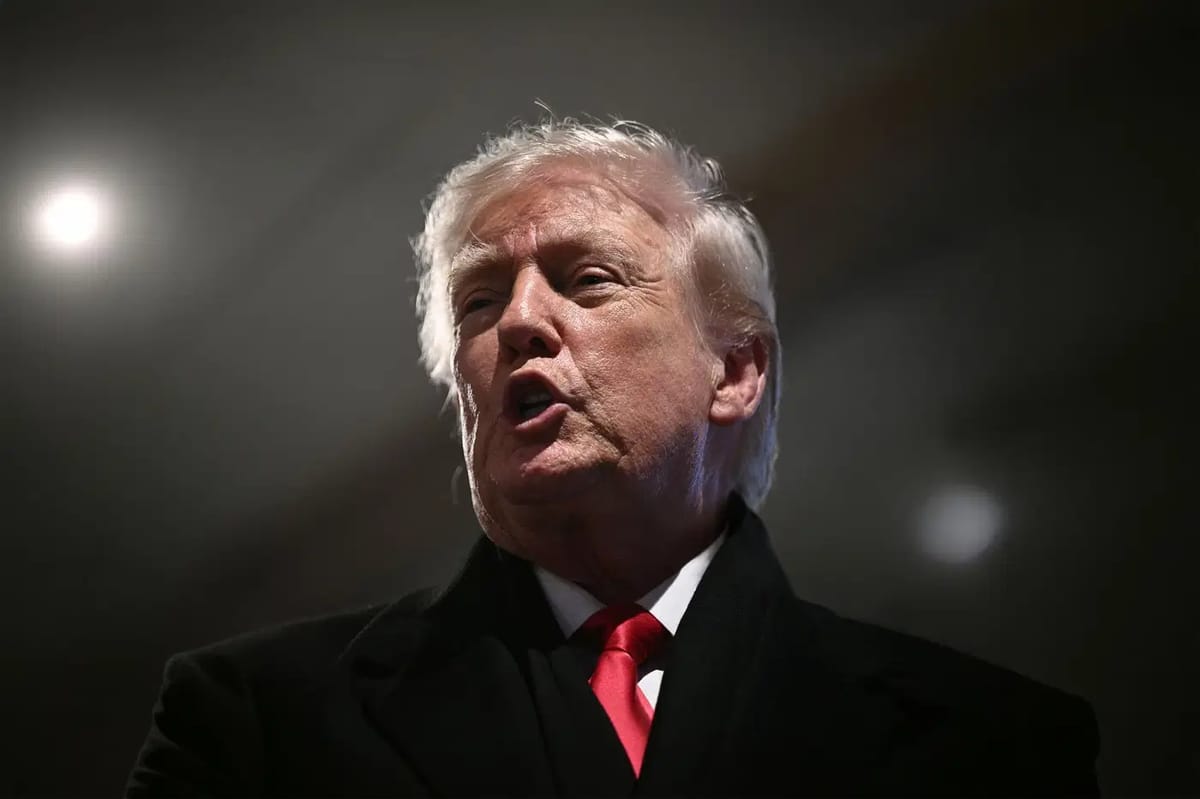
President Donald Trump is seriously considering declaring military victory in the five-month U.S.-Iran war if Tehran agrees to reopen the Strait of Hormuz for international shipping, even if no new nuclear agreement is reached, according to reporting by the Wall Street Journal citing U.S. officials.
Trump has raised the possibility in discussions with senior White House officials that the war could conclude without achieving a new nuclear accord with Iran. According to one White House official, the United States has already accomplished its core military objectives against Iran, and the primary remaining goal is to secure freedom of navigation and energy flow through the critical chokepoint of the Strait of Hormuz.
The shift in focus represents a notable recalibration of war aims. Rather than pursuing a comprehensive nuclear agreement, the signature diplomatic objective at the conflict's outset, the Trump administration has pivoted toward a more limited goal: reopening the vital shipping corridor that Iran had blocked during the war.
Negotiations Stall Over Iranian Demands
However, recent negotiations have encountered serious obstacles. Iran has presented far-reaching preconditions for reopening the Strait of Hormuz, including removal of the U.S. naval blockade, withdrawal of American military forces from the region, lifting of economic sanctions, release of frozen Iranian assets, and war reparations.
White House officials have made clear that substantial portions of these demands are unacceptable to the United States. The gap between Iran's demands and Washington's willingness to concede has created a stalemate in recent diplomatic exchanges.
Trump's Assessment of Iranian Nuclear Capability
Trump has publicly stated recently that he intends to end the war, and suggested that the nuclear question may not be a necessary condition for a settlement. According to American officials, the president believes Iran's capacity to rebuild its nuclear program has been seriously damaged by U.S. and Israeli strikes during the war. Trump has expressed confidence that the United States will be able to detect any Iranian attempt to reconstruct nuclear infrastructure.
This assessment differs from the position held at the war's beginning, when nuclear concerns were the stated driver of escalation.
Maintaining Military Pressure
Simultaneously, the White House intends to maintain military and diplomatic pressure on Tehran. According to the reporting, the option of additional military action remains on the table as a negotiating tool and potential escalation path if Tehran refuses diplomatic resolution.
The strategy reflects a two-track approach: pursuing diplomatic off-ramps through limited concessions on shipping access, while preserving military options if negotiations collapse.
Strategic and Energy Market Implications
The Strait of Hormuz remains one of the world's most critical energy chokepoints. Approximately 20 percent of global oil supplies pass through the strait. Iran's closure during the war disrupted energy markets, contributed to price volatility, and prompted geopolitical pressure on the U.S. from energy-dependent allies in Europe and Asia.
Reopening the strait would restore global energy supply chains and reduce international pressure on the U.S. administration to reach a broader settlement.